Tuesday, 27 October 2015

Planning: Techno Thrillers

                    Planning :Techno-thriller


Techno-thriller is a type of fiction that basis itself with using heavy use of modern technology. The plot normally focuses on the dangers of a particular technology and it getting into the wrong hands can negatively impact the world.  These genre exaggerate the focus of technology as these technology are not seen in the real world that is why its a type of fiction. films in this genre generally consist of high technology weapons that can be capable of demolishing and destroying the world because of the antagonist. However the protagonist mission is to either protect or find the that weapon and keep it away from the wrong hands. Here are some techno-thriller films: skyfall, 2 fast and 2 furious  and Batman begins and more.

Planning: Erotic Thriller

Erotic Thrillers became popular in the 1980's due to the rise of VCR market penetration. This sub-genre uses the elements of suspense and tension along with thriller and explicit eroticism. It is known as a 'Hybrid Form' of thriller as It has a strong link to pornography but may include components from Horror, Mystery and Melodrama.

Examples of Erotic Thriller are: Basic Instinct and Fatal Attraction.

Planning: Horror Thriller

Horror Thriller Films

Within horror films there is commonly a conflict between the main character and the monster - this may be a human such as a serial killer or an actual monster. The monster will usually inflict mental, emotional and physical harm. Throughout the entire story an element of fear is maintained as the main characters become victims to a superior Force.

A large majority of horror movies revolve around the stereotypes of teenagers, these are:

  • The Jock
  • The Drug taker
  • The Promiscuous Girl
  • The Black Guy (who frequently dies first)
  • The Innocent Girl
The Innocent Girl is referred to as the 'Final Girl' as she is the girl that 'unexpectedly' overcomes the Superior Force and survives at the end of the movie.

Examples of Horror Thrillers are: Silence of the Lambs, Psycho and Saw.

Torture Porn

Regularly, the antagonist will gain sexual gratification from torturing characters in the film. These characters often suffer from a slow and painful death and such scenes are extremely graphic.

Difference Between Thriller and Horror

Horrors are often watched because people want to see people die on screen whereas Thrillers are watched as we want people (often the protagonist) live.

Planning: Action thriller

Action movies features race against the clock, contains lots of violence and an obvious antagonist. Films usually contains guns, explosions and large elaborate set pieces for the action to take place. Elements take a book seat to action.
examples of Action thrillers are
- Bourne movies
-James bond
-Transporters
James bond is one of the most famous action films around. The character James bond has been adapted throughout the years but the James bond series is the longest continually running film. The most important elements in the James bond series which is important in all other Action thrillers is the bond cars, guns, gadgets and the various women involved in the main characters life.

Planning: psychological thriller

The conflict between the main characters is mental and emotional, rather than physical (until the often violent resolution)
examples of psychological thrillers
-sleepers
-misery
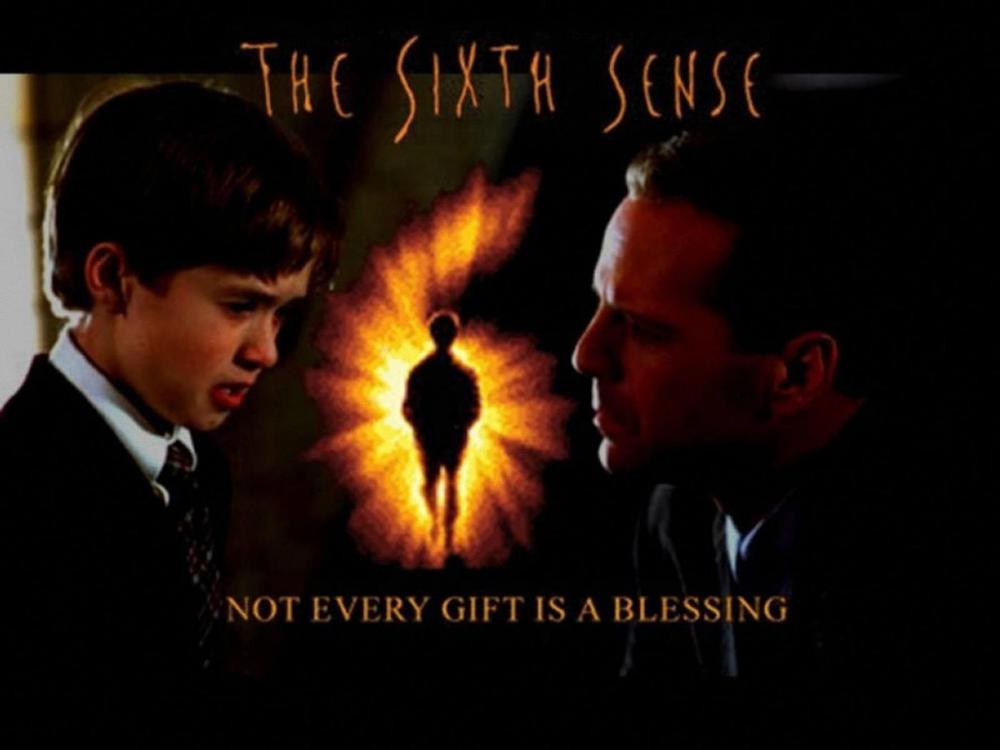
-sixth sense
The sixth sense movie is one of the most known psychological thrillers which features a troubled main character which can also be presented in other psychological thrillers and a psychologist trying to help him. The atmosphere and the twisted conclusion of the movie engages the viewer to constantly have mental calculations throughout the play which captivates the audience into the movie like most/all psychological thrillers do.

Saturday, 17 October 2015

Planning: Thriller Film Demographic

Planning thriller film demographic


Gender and age is the demographic that is most focused in the film industry as their the easiest characteristics to be targeted. Other demographics such as nationality and race are harder to target because their more distinct and generalised so it would be much to target at.

 As we are focusing on thriller films we checked the percentages of the amount of males and females watching thriller films. According to statistics females watch thriller films more than males; the percentage for females is 58% whiles for men the percentage is 42%. The reason why girls watch thriller films more than males is because they enjoy going in girl groups to the cinema to watch these movies as well as going with their boyfriends or husbands to watch these thriller movies. They enjoy the excitement and portrayal of strong and handsome males in thriller films ; especially when their surrounded by people they have relationships with. However even though girls watch thriller movies more; the film industry still base these films around the power of the man as the percentage difference is not that significant. Thriller films still portray women under the men in the binary structure as men are still seen as the most powerful and still hold the most authority. As a production team we will use this statics for our advantage as the new thriller film were making will be based on making women happy so that their can continue to watch thriller films but particularly our ones. We will make sure that we hire the most appealing men that are not afraid to take off their shirts and we will make sure that our thriller films won't be predictable but stimulating. In addition to impressing our female audience we are going to add more powerful women on our films but however they will still be under a man to increase a male audience as well.

In terms of age; according to the statistics from the ages 50 and over watch thriller movies the most as their percentage is 26% compared to the other four age ranges. The reason 50 and over dominates the other age ranges by watching thriller movies the most is because at this stage of life they are comfortable. Some of them are retired so they have all the time in the world to be watching these movies; in addition to that they would also be comfortable financially as they have their assets and saving that would ensure that money would not be a problem. Unlike 14-17  and 25-34 year olds time and money would be in their favour as the younger age ranges still depend on their parents for money that can only come once in a while to pay to watch these movies; whiles the older age ranges don't have time on their side because of jobs, events and even the struggle of life itself.  Again as a production teams we reuse to ignore this statistic so we will make sure our films appeal to this age group. As this age group want to be more stimulated as they have a lot of time in their hands; us a production team will seek for the best directors and stories to make sure that our thriller films are the most intoxicating. With this it will attract this age group to always look forward to our thriller films.


Thursday, 15 October 2015

planning: Sound

Sound, voice and music are integral to most films and viewing experiences. Even the earliest silent films were often shown with live musical accompaniment. Sound enhances the imaginary world, it can provide depth, establish character and environment, introduce a new scene or cue the viewer to show important information.

Diegetic Sound: Diegetic sound is any sound that the character or characters on screen can hear. So for example the sound of one character talking to another would be diegetic. For example in a movie, the character is playing music form a radio and then they switch it off just to tell the audience that they were playing the music.

Non-diegetic sound: Non diegetic sound is any sound that the audience can hear but the characters on screen cannot. Any appearance of background music is a prime example of non-diegetic sound. For example during an extreme long shot there is a cheerful song being played to set the mood of the scene. This gives the audience an idea of what the movie is about.
Sound Ambiguity: Sound ambiguity is when the music plays with the idea of diegetic sound and non-diegetic and it grabs the audience’s attention. When music is playing in the background, the audience automatically assumes that it's non diegetic but instead turns out to be diegetic when the character switches of the music.

Planning: Sounds


The power of sound


Sound, voice and music are integral to most films and viewing experiences. Even the earliest silent films were often shown with live musical accompaniment. Sound enhances the imaginary world, it can provide depth, establish character and environment, introduce a new scene or cue the viewer to show important information.

Diegetic Sound: Diegetic sound is any sound that the character or characters on screen can hear. So for example the sound of one character talking to another would be diegetic. For example in a movie, the character is playing music form a radio and then they switch it off just to tell the audience that they were playing the music.

Non-diegetic sound: Non diegetic sound is any sound that the audience can hear but the characters on screen cannot. Any appearance of background music is a prime example of non-diegetic sound. For example during an extreme long shot there is a cheerful song being played to set the mood of the scene. This gives the audience an idea of what the movie is about.
Sound Ambiguity: Sound ambiguity is when the music plays with the idea of diegetic sound and non-diegetic and it grabs the audience’s attention. When music is playing in the background, the audience automatically assumes that it's non diegetic but instead turns out to be diegetic when the character switches of the music.

Thursday, 8 October 2015

Planning: Camera Shots & Angles


These are the pictures that we took of all the different camera shots. They portray different aspects of scenes that are used to make movies.

Close Up

This frames the entire object to be looked at. It emphasises the persons emotional state and is used for showing details

Full Shot

The height of the frame is filled with the human figure. In other situations,  it means a wide shot of  the whole scene placing their subject in their environment.


Extreme Long Shot

This shows the outside of the buildings and landscape. If action is involved,  its usually thrilling (War Movies). its usually used as a scene setting, establishing shots. Its used to give general information not complete details.

Medium Shot

This shots shows the figure from the knee or waist up. this shot is know as the Hollywood shot because it is the one most used in featured films. A medium shot is a camera angle shot from a medium distance.


Medium Close Up

The medium close up is the chest up view of an individual used during conversations.

Long Shot

Images are seen as life size. People fill approximately 3/4 of the entire scene and there are references surrounding them aiding their size.


Low Angle Shot

The camera is placed below eye level and looks up at the action. This makes the subject appear larger and more powerful 


High Angle Shot

The camera is place above eye level and looks down on the subject. This makes the subject childlike, vulnerable and insignificant. 


Point Of View Shot

This shot presents actions on scene from the approximate view point of the particular character made famous by Alfred Hitchcock. And its very popular in horror movies.

Extreme Close Up

Shows beyond what the human eye can see, extreme detail.


Planning: Mise En Scene

Mise en scene is the setting and the surroundings or the arrangement of scenery of staging of a play, this includes setting, props, lighting, costume and space. Mise en Scene means "put into the scene."

Settings: Setting is the place or surrounding where something is positioned or where an event takes place. Setting sets the mood of the of the characters and it may also reflects the character state of mind. It can be filmed in a studio or on location. settings play an important part in film making. Settings can manipulate an audience by building certain expectations.

Props:  Props are items that the character holds in the movie or an equipment that is used with the film. The prop is considered to be anything that is movable or portable on a stage or set. These are kept to the minimum in order not to distract the audience from the main reason of the story. A simple briefcase might be enough to portray a businessman. A hat can represent a character and show a great significant when it's off on one character and when it's on another.

Costume:  Costume is the distinctive style of dress on an individual or group that reflects their class, gender,profession etc. Costume acts as an instant indication as a characters status, job or personality.  It immediately tell us whether the film is set in the past or the present or what society or culture it's set in. Certain costumes can identify certain individuals for example Batman has a bat sign on his costume so that people can identify that he is in fact Batman.

Lighting:  There are two types of lighting that are used in film making and these are Low-key and High-key lighting . Lighting sets the tone and atmosphere. High-key lighting has no shadows and it needs a minimum of  four light, one at the front, one at the back and the other two on either side. On the Other hand, Low- key lighting has shadows when one or more lights are switched off.

Planning: Mise En Scene


Mise En Scene 


Mise en scene is the setting and the surroundings or the arrangement of scenery of staging of a play. this includes costumes, props, settings, lighting and space. Mise en scenes means "put into the scene"


Setting & Props:  Setting creates both a sense of place and a mood and it may also reflect a character’s emotional state of mind. it can be filmed in a studio but also found on-location. Settings and location plays an important part in film making. Sets are either built from scratch or a great deal of time is used to look for the right use. Settings can manipulate an audience by building certain expectations.

Costume: Act as an instant indicator to us as a characters status, job or personality. It immediately tells us whether the film is set in the future or present, what society or culture is set in. Certain costumes can identify a certain individual.  for example Batman wears a costume with a bats sign on it for people to identify that he is  batman


Lighting: There are two types of Lightings used in films and these are Lowkey lighting and High-key Lighting. Lighting is used to set the tone or atmosphere. High-key lighting has completely no shadows and you need a minimum of 4 lights. one in front, one at the back and the other two on an opposite sides. While on the other hand, Lowkey lighting is when either one or more lights are switched off and it creates shadows within the setting or objects being used. It creates a sense of ambiguity which creates a sense of mystery. For example bright lights can signify happiness, darkness can create a sense of disturbance and strobe light creates a sense of confusion.
Space: This is the relationship of distance between objects as well as the relationship to cameras. Positioning within a ram can draw our attention to an object or character. For example when two people are sitting down on a couch with a large amount of space between them can create a sense of disagreement and awkwardness.

Planning: Psychology and Media


Psychology of Media 

Psychology of media is the study of the mind according to media. It explains why people enjoy watching movies through various psychological theories.  


Psychic Apparatus

Psychic Apparatus was created by Sigmund Freud. His idea was that the human mind can be broken into three main part which govern our behaviour this being ID, Ego, Superego. 


  • The ID is only concerned with pleasure. It cares nothing of consequences and operates on impulse and instinct.
  • The SUPEREGO is concerned with the reality of consequences. It is highly aware of how others perceive us, constantly acting in a manner which will lead you to gain approval from others.
  • The EGO negotiates between the two parts of the brain making the decision of whether to follow instinctual impulse (pleasure) or to act according to expectations of others (consciousness).


The Mirror Stage & Ideal I 

The Mirror Stage and Ideal I were created by Jaques Lacan. He stated, infants are unable to recognise themselves as individuals until the age of 18 months, thus allowing them to establish their interpretation of themselves. This is known as the Mirror Stage.
He also presented the idea that we are unable to think negatively about ourselves because we have nothing to compare it to and we have always thought of our thoughts as being 'perfect'. This is known as the Ideal I.

Why Do We Watch Media?

According to Freud the protagonist (hero) and antagonist (villains) are commonly hyper-exaggerated examples of either good or evil and watching these characters acts as a way of appeasing those facets of our behaviour.

However, Jaques Lacan believed we watched because we are able to associate with characters in film and 'see ourselves' through characters on screen. Although, we don't associate with everything a character provides, only what suits us. Disassociation also makes us watch as we tend to find it amusing.

Scopophelia- Pleasure through looking at the human form (often sexual)
Voyeurism- sexual pleasure gained through looking at the human form ( when they are unaware of it) i.e spying.
The Gaze-  the idea of looking (gaze) is what fulfils our sexual  pleasure. How the gaze is constructed is also what helps to create the binary structure of gender.
Objectification- sexual objectification through are are gaze females are portrayed as sexual objects they are represented as being weak in many different ways.
cinema audience- audiences in the cinema act as voyeurism due to the nature of the way we watch films.
Binary structure-  this is used to make things more powerful than others. For example a man is seen as more powerful than a woman.

Wednesday, 7 October 2015

Planning: Storyboard & Vine


This is the storyboard that was used to plan the vine. We used this to set the scenes and knows what comes first. Attached below is the final production of the vine we created:

Introduction to vine

We made a vine which relates to many teens humorously in today's world. The vine was made for us to have a feel of what creating a short film will be like.

Planning: Introduction to Spades


Spades Production

Spades Production is a London based production company consisting of four administers - Edamwen Efemwen, Amirah Mukoko, Jennifer Anyanwu and Mercy Ologun. This company is inspired by the psychological aspects of media and dedicated to portraying these different aspects in order to expand the diversity of our nation's media system. The company was co-founded in 2015 by Mr McGraw with extensive experience conceiving, producing, shooting and editing award-winning thriller films. Similarly to our founder, we aim to produced thriller films of the highest quality.


Planning: Description of a Brief

The Brief


This year we are making a short film based around thriller. This year our course work is too create the opening sequence to an upcoming thriller film, we will be documenting the planning, construction and evaluate through the use of a blog as well as other presentation techniques.